The hardest part of any Spanish conversation is the first sentence. Once you get past the opening, momentum carries you forward. But that initial moment of deciding what to say, and how to say it naturally, is where most learners freeze.
The problem is that textbooks teach you phrases nobody actually uses. “Me llamo Juan y soy de Estados Unidos” is technically correct but sounds robotic in a real social setting. Native speakers do not introduce themselves like they are reading from a phrasebook.
This guide gives you 30 conversation starters that Spanish speakers actually use, organized by situation. Each one includes the phrase, its translation, and cultural context so you know when and how to deploy it. Combined with a solid vocabulary foundation, these openers will help you start conversations that feel natural rather than rehearsed.
Build the vocabulary you need for real conversations
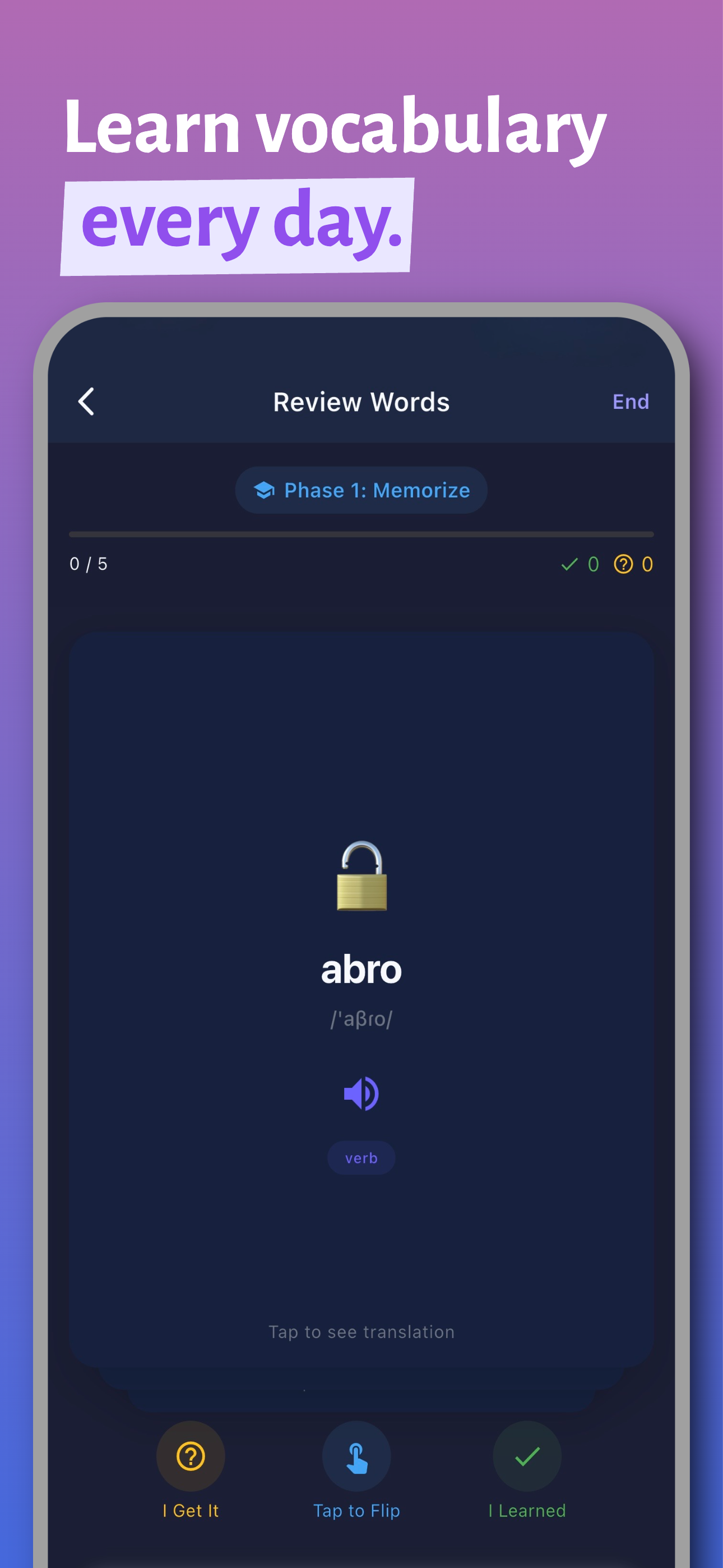
VocaSwipe helps you learn the words that power natural Spanish conversation. Master everyday vocabulary with AI-powered spaced repetition in just 5 minutes a day.
Casual Conversation Starters (1-8)
Use these with friends, acquaintances, people your age, and in relaxed social settings. They are informal and use “tú” form.
1. ¿Qué tal? — How's it going? The most versatile casual greeting in Spanish. Works with anyone you are on informal terms with. Can be used as a standalone greeting or as a genuine question depending on tone.
2. ¿Qué hay de nuevo? — What's new? A step beyond “¿Qué tal?” that signals genuine interest. Great for catching up with someone you have not seen in a while.
3. ¿Qué tal el fin de semana? — How was the weekend? Perfect for Monday or Tuesday conversations. Opens the door to stories about activities, trips, or experiences.
4. ¿Has visto algo bueno en Netflix últimamente? — Have you seen anything good on Netflix lately? A modern conversation starter that works across cultures. People love talking about what they are watching.
5. ¿De dónde eres? — Where are you from? The classic opener when meeting someone new. In Spanish-speaking countries, where you are from often leads to lively conversation about regional food, accents, and customs.
6. ¿Qué música te gusta?— What music do you like? Music is deeply woven into Spanish-speaking cultures. This question can lead to passionate discussions about reggaeton, salsa, flamenco, or rock en español.
7. ¿Conoces algún buen restaurante por aquí? — Do you know any good restaurants around here? Food is a universal topic in Spanish-speaking cultures. Asking for restaurant recommendations signals that you value local knowledge and good food.
8. Qué calor/frío hace hoy, ¿no? — It is so hot/cold today, right? Weather talk is a universal icebreaker. The tag question “¿no?” at the end invites agreement and opens the door to further conversation.
Formal Conversation Starters (9-15)
Use these with older people, professionals, officials, or anyone you should address with “usted.” They are polite and respectful.
9. Buenos días, ¿cómo está? — Good morning, how are you? The standard formal greeting. Use “buenos días” until roughly 2 PM, then switch to “buenas tardes” (good afternoon) and “buenas noches” (good evening) after sunset.
10. Mucho gusto en conocerle. — Pleased to meet you. More formal than the standard “mucho gusto.” The “le” ending signals the usted form and adds a layer of respect.
11. Disculpe, ¿me permite una pregunta?— Excuse me, may I ask a question? A polite way to approach a stranger. The formal “disculpe” (rather than informal “disculpa”) sets a respectful tone.
12. ¿A qué se dedica? — What do you do for a living? The formal way to ask about someone's profession. Uses “se dedica” (usted form) rather than “te dedicas.”
13. ¿Qué opina sobre...? — What do you think about...? A formal way to invite someone's opinion. Follow it with a neutral topic like local events, new restaurants, or industry trends, not politics or religion.
14. Es un placer estar aquí. — It is a pleasure to be here. Perfect for business events, formal dinners, or when visiting someone's home. It signals appreciation and good manners.
15. He oído que usted es experto/a en...— I have heard that you are an expert in... A flattering opener for professional networking. People enjoy talking about their expertise, and this question shows you have done your homework.
Dating and Flirting Starters (16-20)
These work for romantic contexts but are subtle enough to not be awkward if the interest is not reciprocated. Be mindful of false friends in romantic situations, where word mistakes can be especially memorable.
16. Tienes una sonrisa muy bonita. — You have a very beautiful smile. A direct but respectful compliment. The focus on the smile rather than physical appearance keeps it charming rather than uncomfortable.
17. ¿Vienes mucho por aquí? — Do you come here often? Yes, it is a cliché in English too, but in Spanish it sounds more natural and less ironic. It is a genuine icebreaker at bars, cafes, and social events.
18. Me encanta tu estilo. — I love your style. Complimenting someone's fashion sense is a safe way to show interest without being too forward. It works for all genders.
19. ¿Te apetece tomar algo? — Do you feel like having a drink? A casual invitation that does not put too much pressure on the situation. “Apetecer” is widely used in Spain. In Latin America, “¿Quieres tomar algo?” is more common.
20. ¿Cuál es tu lugar favorito en esta ciudad? — What is your favorite place in this city? A great way to show interest in someone while getting useful local recommendations. The answer often leads to deeper conversation about shared interests.
Party and Social Event Starters (21-25)
Loud environments need simpler, more direct openers. These work at parties, festivals, and group social events.
21. ¡Qué buena música! — Great music! Short, enthusiastic, and invites a response. At a party, simplicity is your friend.
22. ¿Conoces al anfitrión? — Do you know the host? A natural way to establish a connection. If you both know the host, you already have something in common.
23. ¿Has probado la comida? — Have you tried the food? Food is always a safe conversation topic at social events. It gives you both something specific to discuss.
24. ¿Cómo conoces a...? — How do you know [person]? Fill in the name of the host or mutual acquaintance. The answer usually reveals common ground.
25. ¡Salud! — Cheers! The simplest way to start a conversation at any event with drinks. Make eye contact, raise your glass, say “¡Salud!” and conversation flows naturally from there.
Deepening the Conversation (26-30)
Once you have broken the ice, these questions move the conversation beyond small talk into genuinely interesting territory.
26. ¿Cuál es la mejor cosa que te ha pasado este año? — What is the best thing that has happened to you this year? People light up when asked about positive experiences. This question instantly shifts the energy of any conversation upward.
27. Si pudieras vivir en cualquier país, ¿cuál elegirías? — If you could live in any country, which would you choose? A fun hypothetical that reveals travel dreams, values, and personal priorities.
28. ¿Qué es lo que más te apasiona en la vida? — What are you most passionate about in life? A deeper question that moves past surface-level small talk. Use it once you have established some rapport.
29. ¿Qué harías si tuvieras un día libre sin obligaciones? — What would you do if you had a free day with no obligations? This reveals how someone truly likes to spend their time, beyond work and responsibilities.
30. ¿Cuál fue el último libro/ película que te encantó? — What was the last book/movie you loved? A reliable way to discover shared interests and generate natural follow-up discussion.
Pro Tip: The secret to good conversation in any language is asking follow-up questions. After someone answers your opener, respond with “¿En serio?” (Really?), “Cuéntame más” (Tell me more), or “¿Y qué pasó?” (And what happened?). These three phrases alone will carry you through most conversations.
Tips for Natural Spanish Conversation
Listen more than you speak. Especially as a learner, letting the other person talk gives you more input and more time to formulate your responses. Ask questions, show genuine interest, and do not rush to fill silences.
Do not apologize for your Spanish. Starting with “Sorry, my Spanish is bad” sets a negative tone. Instead, just start talking. Most native speakers appreciate the effort and will happily help you find the right words.
Use filler words like a native. Words like “bueno” (well), “pues” (so/well), “o sea” (I mean), and “a ver” (let's see) buy you thinking time and make your speech sound more natural. Every language has these, and learning the Spanish ones makes you sound less like a textbook.
Build vocabulary systematically. The biggest barrier to conversation is not knowing the word you need in the moment. Using VocaSwipe to build vocabulary by category ensures you have the words ready for the situations you actually encounter.
Follow @vocaswipe on TikTok
Daily Spanish phrases, conversation tips, and vocabulary challenges.
Never run out of words in a Spanish conversation
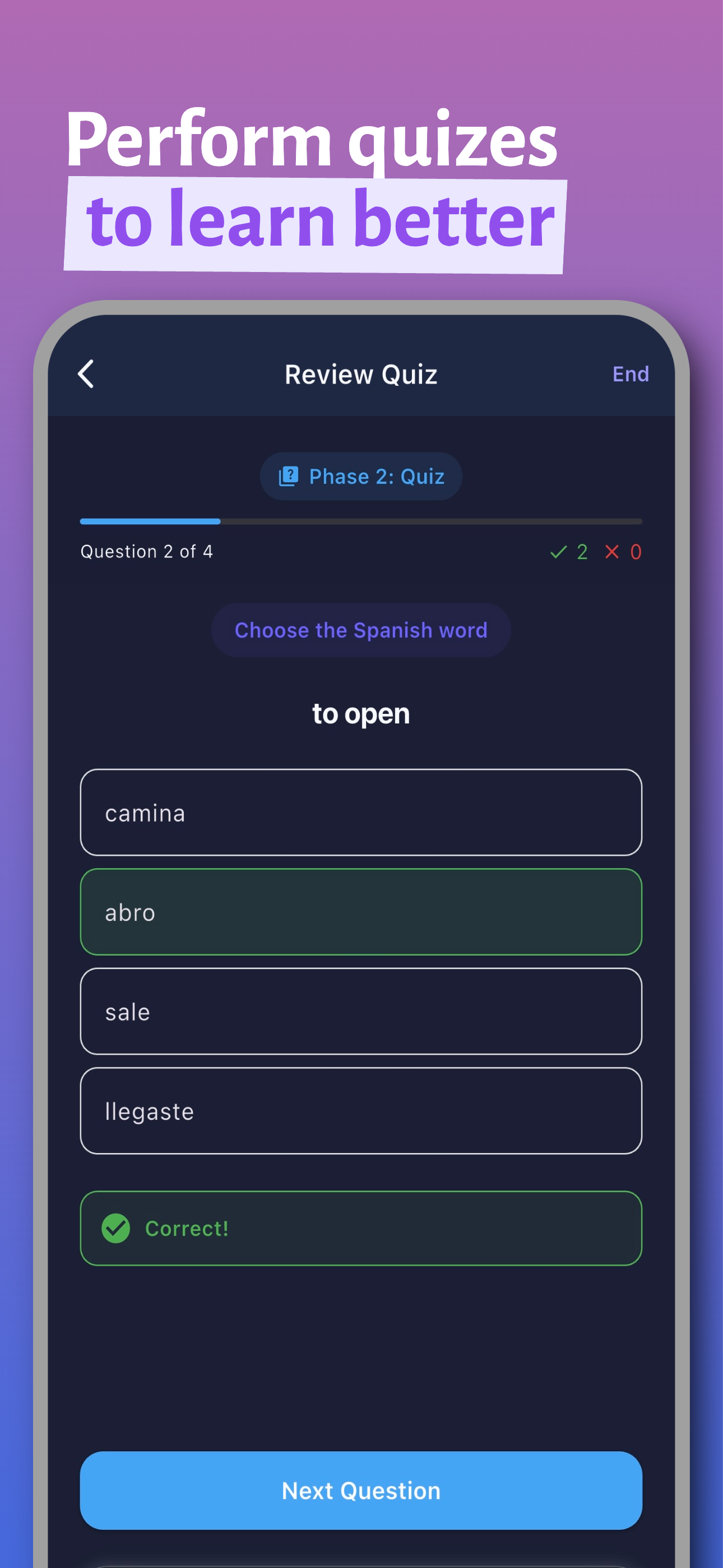
VocaSwipe builds your conversational vocabulary through spaced repetition. The more words you know, the more naturally conversation flows. Start with 5 minutes a day.
Key Takeaways
- The first sentence is the hardest. Having rehearsed openers for different contexts eliminates the freeze moment.
- Match formality to the situation. Use “usted” with strangers and older people, “tú” with peers and in casual settings.
- Food, music, and travel are universal topics. These subjects generate enthusiastic responses in any Spanish-speaking culture.
- Follow-up questions matter more than openers. “¿En serio?” and “Cuéntame más” keep any conversation going.
- Vocabulary is the foundation. You cannot converse if you do not have the words. Build your vocabulary daily.
Frequently Asked Questions
How do you start a casual conversation in Spanish?
The most natural way to start a casual conversation in Spanish is with a greeting followed by an open-ended question. “¿Qué tal?” (How's it going?) works in almost any informal situation. Other great casual openers include “¿Qué hay de nuevo?” (What's new?), “¿Qué tal el fin de semana?” (How was the weekend?), or commenting on your shared environment. The key is to sound relaxed and give the other person something to respond to beyond a simple yes or no.
What do Spanish people talk about?
Spanish-speaking cultures are generally social and expressive. Common small talk topics include food and restaurants, weekend plans, family, travel, local events, and sports (especially football). In Spain, people often discuss regional cuisine, fiestas, and current events. In Latin America, topics vary by country but family, music, and food are always safe. Topics to generally avoid with strangers include politics, religion, and salary. Spanish speakers tend to be more comfortable with personal questions about family than English speakers typically are.
How can I practice Spanish conversation alone?
There are several effective ways to practice Spanish conversation without a partner. Use self-talk by narrating your daily activities in Spanish. Practice with vocabulary apps like VocaSwipe to build the word bank you need for fluid conversation. Shadow Spanish podcasts or YouTube videos by repeating what speakers say. Write out imaginary dialogues for common situations. The key is building enough vocabulary that words come naturally, then practicing producing them out loud rather than just recognizing them.