You do not need to be fluent in Spanish to have an incredible trip to a Spanish-speaking country. But the difference between knowing zero Spanish and knowing 200 carefully chosen phrases is enormous. It is the difference between pointing at a menu and having a conversation with the waiter about what is fresh today. Between getting lost and asking a local for directions. Between feeling like a tourist and feeling like a traveler.
This guide covers the essential Spanish phrases for every travel situation you will encounter. They are organized by context so you can focus on the situations most relevant to your trip. Each phrase includes a pronunciation note where the Spanish sounds differ significantly from what an English speaker might expect.
The goal is not perfection. The goal is communication. Locals universally appreciate the effort, even when your accent is rough and your grammar is approximate. A friendly “Buenos días, ¿tiene una mesa para dos?” opens more doors than perfect English ever will.
Learn travel Spanish before your trip
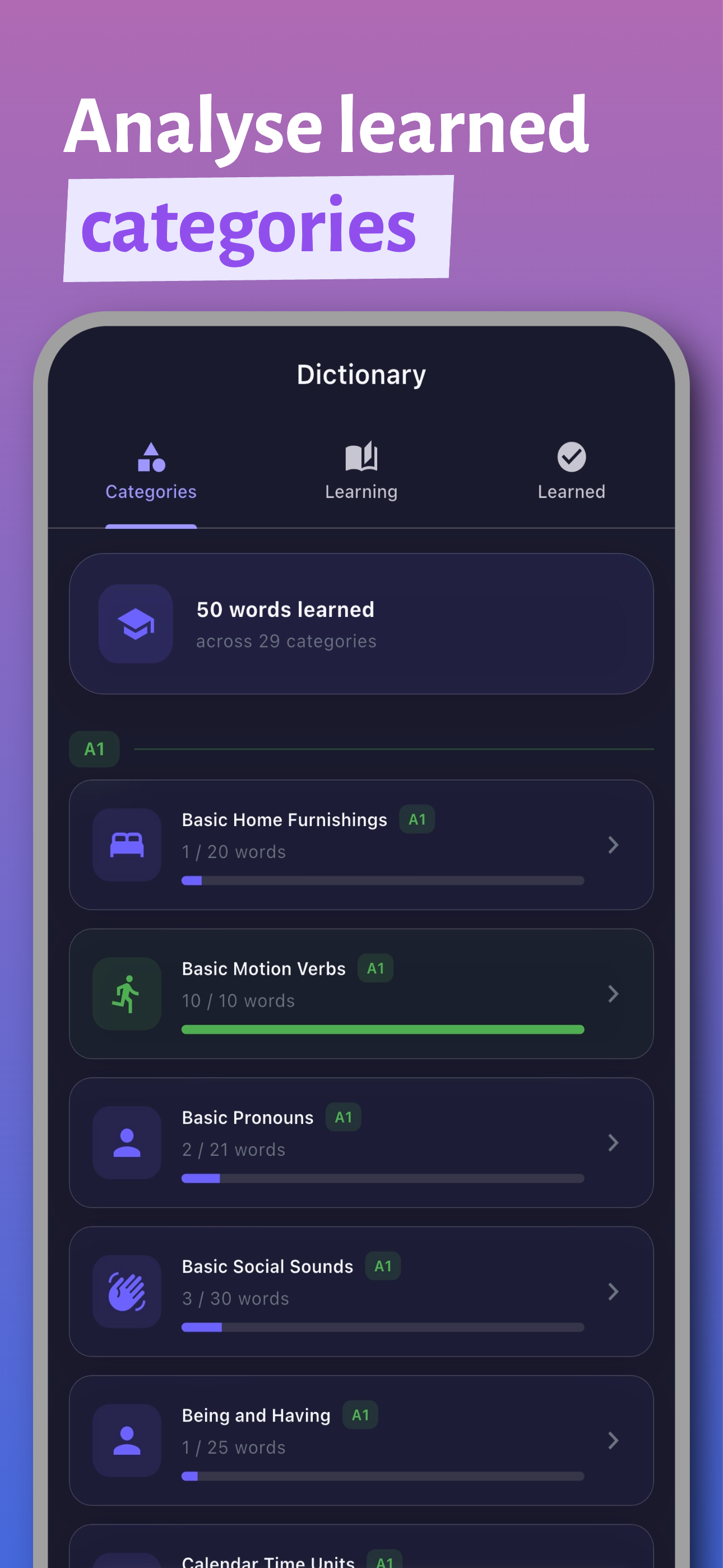
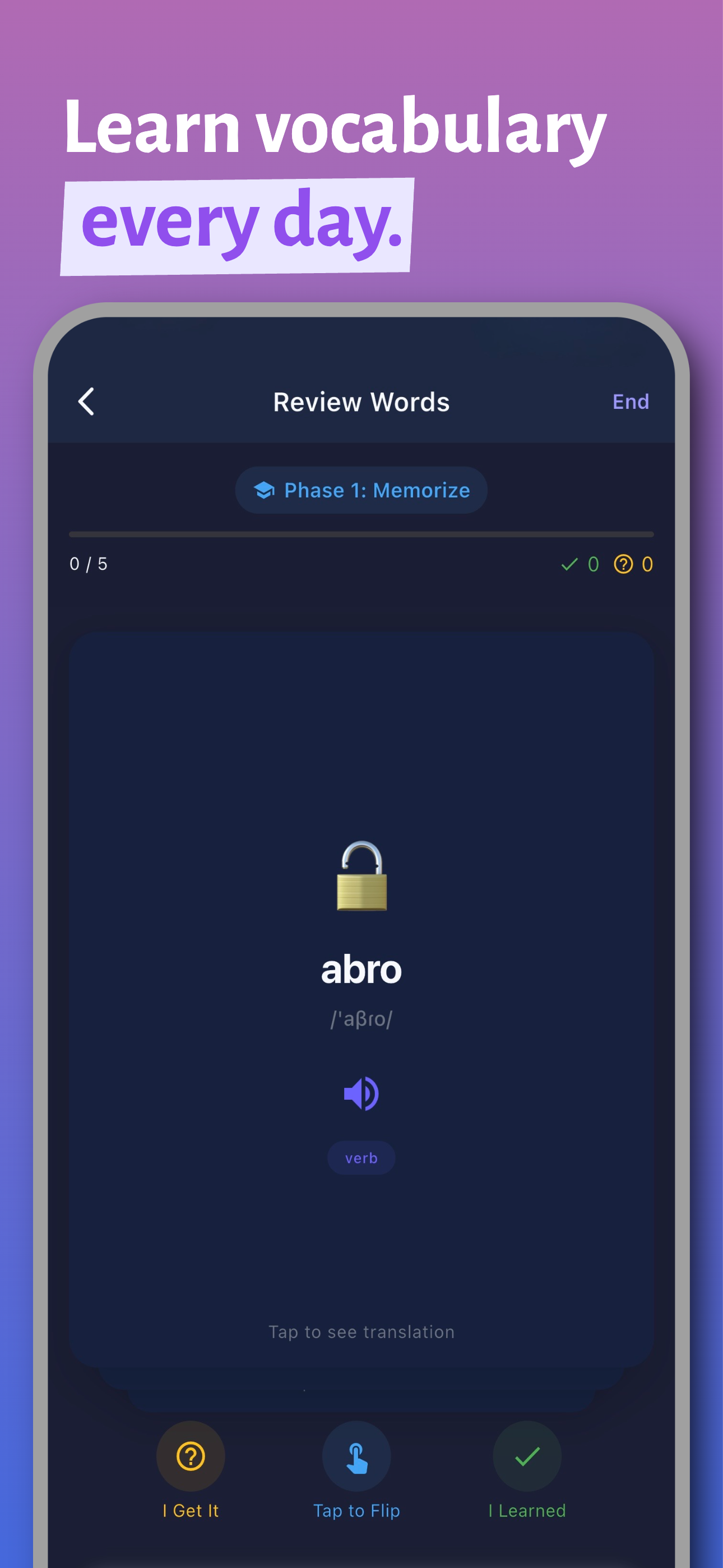
VocaSwipe has a dedicated travel category with essential phrases organized by situation. Practice with spaced repetition so you remember them when it matters.
Airport and Transportation Phrases
Your trip starts at the airport. These phrases cover check-in, customs, and getting from the airport to your accommodation.
- ¿Dónde está la puerta de embarque? — Where is the boarding gate?
- Tengo una reservación. — I have a reservation.
- ¿Dónde puedo recoger mi equipaje? — Where can I pick up my luggage?
- Nada que declarar. — Nothing to declare.
- ¿Dónde está la parada de taxis? — Where is the taxi stand?
- Lléveme a esta dirección, por favor. — Take me to this address, please.
- ¿Cuánto cuesta un billete a...? — How much is a ticket to...?
- ¿Dónde está la estación de metro? — Where is the metro station?
- Un billete de ida y vuelta. — A round-trip ticket.
- ¿A qué hora sale el próximo vuelo? — What time does the next flight leave?
Pronunciation tip: The Spanish “ll” (as in “lléveme”) is pronounced like the English “y” in most Latin American countries, and like a “j” sound in Argentina. In Spain, it is somewhere between the two. When in doubt, the “y” sound will be understood everywhere.
Hotel and Accommodation Phrases
Checking in, asking about amenities, and handling common hotel situations.
- Tengo una reserva a nombre de... — I have a reservation under the name...
- ¿Tiene habitaciones disponibles? — Do you have available rooms?
- Una habitación doble, por favor. — A double room, please.
- ¿Está incluido el desayuno? — Is breakfast included?
- ¿Cuál es la contraseña del wifi? — What is the wifi password?
- ¿A qué hora es el check-out? — What time is checkout?
- Necesito toallas limpias. — I need clean towels.
- El aire acondicionado no funciona. — The air conditioning does not work.
- ¿Puede llamar un taxi? — Can you call a taxi?
- ¿Dónde puedo dejar las maletas? — Where can I leave my luggage?
Restaurant and Food Phrases
Eating out is one of the great pleasures of traveling in Spanish-speaking countries. These phrases will help you navigate menus, communicate dietary needs, and handle the bill.
- Una mesa para dos, por favor. — A table for two, please.
- ¿Tiene la carta? — Do you have the menu?
- ¿Qué recomienda? — What do you recommend?
- Quiero el menú del día. — I want the daily special.
- Soy alérgico/a a... — I am allergic to...
- Sin gluten, por favor. — Gluten-free, please.
- ¿Tiene opciones vegetarianas? — Do you have vegetarian options?
- Otro/a, por favor. — Another one, please.
- La cuenta, por favor. — The check, please.
- ¿Aceptan tarjeta? — Do you accept card?
- Estaba delicioso. — It was delicious.
- Una cerveza, por favor. — A beer, please.
- Agua sin gas / con gas. — Still water / sparkling water.
- ¿Tiene algo más picante? — Do you have something spicier?
- Propina. — Tip.
Cultural note: Tipping customs vary across Spanish-speaking countries. In Spain, rounding up or leaving small change is common but large tips are unusual. In Mexico, 10-15% is standard. In Argentina, 10% is typical. Always research the specific country you are visiting.
Directions and Getting Around
Even with smartphone maps, knowing direction vocabulary helps when locals offer guidance or when your phone battery dies.
- ¿Dónde está...? — Where is...?
- A la izquierda. — To the left.
- A la derecha. — To the right.
- Todo recto / derecho. — Straight ahead.
- ¿Está lejos? — Is it far?
- ¿Está cerca? — Is it nearby?
- En la esquina. — On the corner.
- Al lado de... — Next to...
- Dos calles más adelante. — Two blocks ahead.
- ¿Puede mostrarme en el mapa? — Can you show me on the map?
Pronunciation tip: “Izquierda” (left) is one of the trickiest words for English speakers. Break it down: eeth-KYEHR-dah. Practice saying it a few times before your trip so it comes out naturally when you need it.
Shopping and Bargaining
Whether you are at a market, a shop, or a souvenir stand, these phrases cover the essentials of buying things.
- ¿Cuánto cuesta? — How much does it cost?
- Es demasiado caro. — It is too expensive.
- ¿Tiene algo más barato? — Do you have something cheaper?
- Me lo llevo. — I will take it.
- ¿Tiene una talla más grande/pequeña? — Do you have a bigger/smaller size?
- ¿Puedo probármelo? — Can I try it on?
- Solo estoy mirando. — I am just looking.
- ¿Dónde está el supermercado? — Where is the supermarket?
- Una bolsa, por favor. — A bag, please.
- ¿Tiene cambio? — Do you have change?
Emergency Phrases
You hope you will never need these, but knowing them provides genuine peace of mind. In an emergency, even basic Spanish can make a critical difference.
- ¡Ayuda! — Help!
- Necesito un médico. — I need a doctor.
- Llame a la policía. — Call the police.
- Llame a una ambulancia. — Call an ambulance.
- ¿Dónde está el hospital? — Where is the hospital?
- ¿Dónde está la farmacia? — Where is the pharmacy?
- Me robaron. — I was robbed.
- Perdí mi pasaporte. — I lost my passport.
- Soy alérgico/a a... — I am allergic to...
- No me siento bien. — I do not feel well.
Emergency Tip: Save the local emergency number in your phone before traveling. In Spain it is 112. In Mexico it is 911. In most South American countries it varies. Also save the address of the nearest embassy or consulate for your country.
Cultural Etiquette Tips
Knowing the right words is only half the equation. How you use them matters just as much.
Use “usted” with strangers and older people. Spanish has two forms of “you”: “tú” (informal) and “usted” (formal). When speaking to hotel staff, waiters, shopkeepers, or anyone you do not know personally, default to “usted.” It shows respect and will never offend. If someone prefers “tú,” they will let you know.
Greetings matter. In Spanish-speaking cultures, jumping straight into a request without a greeting is considered rude. Always start with “Buenos días” (morning), “Buenas tardes” (afternoon), or “Buenas noches” (evening) before asking for anything. This small effort changes how people respond to you.
Meal timing is different. In Spain, lunch is the main meal and happens between 2:00 and 4:00 PM. Dinner rarely starts before 9:00 PM. In Latin America, timing varies by country but is generally later than what Americans and British travelers expect. Adjusting to local meal times is part of the experience.
Learn to say “por favor” and “gracias” constantly. These two phrases do more for your travel experience than any other vocabulary. Use them liberally. Spanish speakers notice and appreciate politeness from visitors.
Follow @vocaswipe on TikTok
Daily Spanish phrases, travel vocabulary, and pronunciation tips.
Get travel-ready in 2 weeks
VocaSwipe's travel category covers all the phrases in this guide and more. Practice with spaced repetition so you actually remember them when your plane lands.
Key Takeaways
- 200-300 targeted phrases cover most travel situations. You do not need fluency to travel confidently.
- Organize by situation. Learn airport, hotel, restaurant, and emergency phrases as separate groups.
- Pronunciation matters more than grammar. A clearly spoken phrase with imperfect grammar communicates better than a grammatically perfect mumble.
- Cultural etiquette amplifies your Spanish. Greetings, “por favor,” and “usted” signal respect.
- Start with emergency phrases. These provide peace of mind even if you never need them.
- Practice before you go. Two weeks of daily practice with spaced repetition is enough to internalize the essentials.
Frequently Asked Questions
How much Spanish do I need for travel?
For a comfortable travel experience, you need roughly 200-300 targeted words and phrases. This covers greetings, numbers, food ordering, directions, shopping, and emergencies. You do not need to be fluent. Even 50 well-chosen phrases will dramatically improve your trip compared to relying entirely on English. Focus on high-frequency travel vocabulary rather than trying to learn broad Spanish. Most travelers can learn enough functional Spanish in 2-4 weeks of daily practice.
Can I travel to Spain without knowing Spanish?
You can, especially in major tourist areas like Barcelona, Madrid, and the Costa del Sol where many people speak some English. However, knowing even basic Spanish transforms your experience. You will get better service at restaurants, find it easier to navigate public transport, handle emergencies more effectively, and connect with locals in ways that are impossible through English alone. Outside major cities, English becomes much less common, and basic Spanish becomes essential rather than optional.
What Spanish phrases should I learn before vacation?
Start with these categories in order of priority: greetings and politeness (hola, por favor, gracias, disculpe), numbers 1-100 (for prices, addresses, times), restaurant phrases (la cuenta por favor, quiero, sin gluten), directions (dónde está, izquierda, derecha, cerca), and emergency phrases (ayuda, necesito un médico, policía). These five categories will cover roughly 80% of situations you encounter as a tourist. Learn them with pronunciation practice so you can actually use them in conversation.